
Autonomous Warfare as Geopolitical Leverage
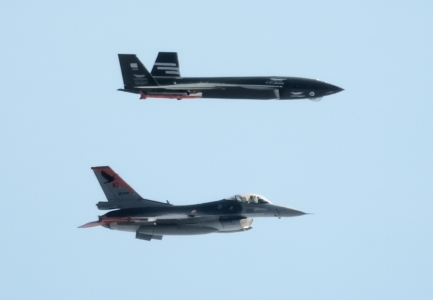 Turkey’s recent tests of the Bayraktar Kızılelma mark more than a technical milestone. Operating in formation with F-16 Fighting Falcon, the unmanned platform detected, tracked, and virtually engaged an aerial target using its MURAD AESA radar and a simulated GÖKDOĞAN missile launch. The signal is clear: autonomous systems are entering the domain of complex air combat once reserved for piloted jets.
What matters strategically is not the drone itself, but the network behind it. Baykar is not merely producing UAVs; it is assembling a tightly integrated military ecosystem where sensors, shooters, and decision logic operate as a single distributed system. Air superiority is shifting from individual platforms to AI-driven, cyber-resilient architectures.
This is where cybersecurity and geopolitics converge. Modern conflict increasingly rewards those who can guarantee data integrity, secure communications, sensor fusion, and fast, autonomous decision-making under attack. Control the network—its encryption, authentication, autonomy, and resilience—and you control the battlespace.
Turkey’s trajectory reflects this logic. Autonomous strike assets, unmanned naval elements, smart munitions, real-time data fabrics, and AI-supported command systems are meaningful only because of the cyber stack beneath them: zero-trust authentication across every node, quantum-resistant cryptography, secure-by-design microelectronics, AI-driven SOC capabilities, satellite-to-cyber resilience against jamming, EW–cyber fusion, counter-UAS security, and resilient tactical cloud environments at the edge.
This is no longer “drone warfare.” It is network-centric, cyber-integrated warfare reshaping regional power balances. In the 21st century, military strength is defined less by pilots or platforms and more by the resilience of the digital ecosystem connecting sensors, satellites, algorithms, and command chains.
States that build autonomous, cyber-secure networks gain strategic independence. States that neglect them become network-dependent—and geopolitically vulnerable.